All Categories
Featured
Table of Contents
Innovation leaders got in 2026 with a familiar concern that now carries sharper stakes: how to equate AI momentum into measurable operating impact. Deloitte's Tech Trends 2026 frames this shift as a relocation from experimentation to impact, driven by five forces assembling across software, facilities, skill, and cyber risk. For CT Labs, Powered by Christian & Timbers, the core important is clear: gain a competitive edge by revamping core operating systems for AI and scaling proven options with strong governance, targeted compute method, and updated labor force designs.
This compounding impact produces 2 outcomes that matter for enterprise leaders. Organizations that tie AI spend to organization results and ship into production gain intensifying operational lift, while others build up pilots and technical debt.
Deloitte highlights the move from preprogrammed robotics to adaptive systems that run autonomously in intricate settings. Deloitte cites forecasts of 2 million work environment humanoids by 2035, positioning humanoids as the next frontier as costs fall and business usage cases grow.
R&D Hubs Versus Traditional Enterprise LaboratoriesEvolution of Corporate R&D for 2026
Develop information structures for multimodal sensor streams and digital twins to make it possible for learning loops that continually improve performance. The most important functional insight in the report is the gap between agent pilots and genuine production value. Deloitte notes that 38% of surveyed organizations are piloting agentic options, yet just 11% are actively using agentic systems in production.
Deloitte likewise surfaces the failure mode. Many agent implementations automate existing procedures rather than redesign workflows to leverage agent strengths such as constant execution, high throughput, and multi-step coordination across systems. What to do in 2026Start with end-to-end process redesign, then specify where autonomy lives and where human oversight stays the control point.
Establish a governance structure dealing with representatives as a labor force, with defined onboarding treatments, measurable efficiency metrics, structured escalation paths, and reliable cost controls. Deloitte's facilities challenges are concrete and useful as a diagnostic list: tradition system combination, data architecture constraints, and governance and control frameworks. The calculate conversation in 2026 shifts from training to inference economics.
Maximizing Efficiency in Enterprise LabsThe report points out a 280-fold drop in inference cost over 2 years, coupled with enterprises seeing monthly AI expenses in the tens of countless dollars as usage scales, specifically for continuous inference patterns tied to agentic AI. This creates a tactical calculate question that combines FinOps and architecture: where work must run to stabilize cost, latency, durability, sovereignty, and control over copyright.
Evaluating Traditional R&D and Agile Innovation Cycles
Carry out reasoning FinOps as a first-class ability with token budgets, attribution, and work governance connected to organization results. Deloitte also flags a useful tipping point: on-premises releases can end up being more economical for consistent, high-volume workloads when cloud expenses approach a big share of the comparable ownership expense. Deloitte frames AI as reorganizing the tech company itself, pressing leaders to connect investments to measurable outcomes and to revamp architecture and talent around human and machine cooperation.
Architecture that supports modular services and faster iterationAn operating model that deals with product shipment, information, and governance as integratedTalent strategy that blends engineering, data, security, and domain expertisePortfolio discipline that determines value capture rather than pilot volumeA useful psychological design for 2026 is that AI ability ends up being a shared platform layer, while distinction originates from process style, exclusive data context, and governance that allows scale.
The report stresses that AI also becomes a defensive accelerator through automation at device speed and more scalable detection and reaction. What to do in 2026Incorporate AI security throughout the shipment lifecycle. Link security manages to model access, data entitlements, evaluation procedures, and deployment methods to handle risk at every phase.
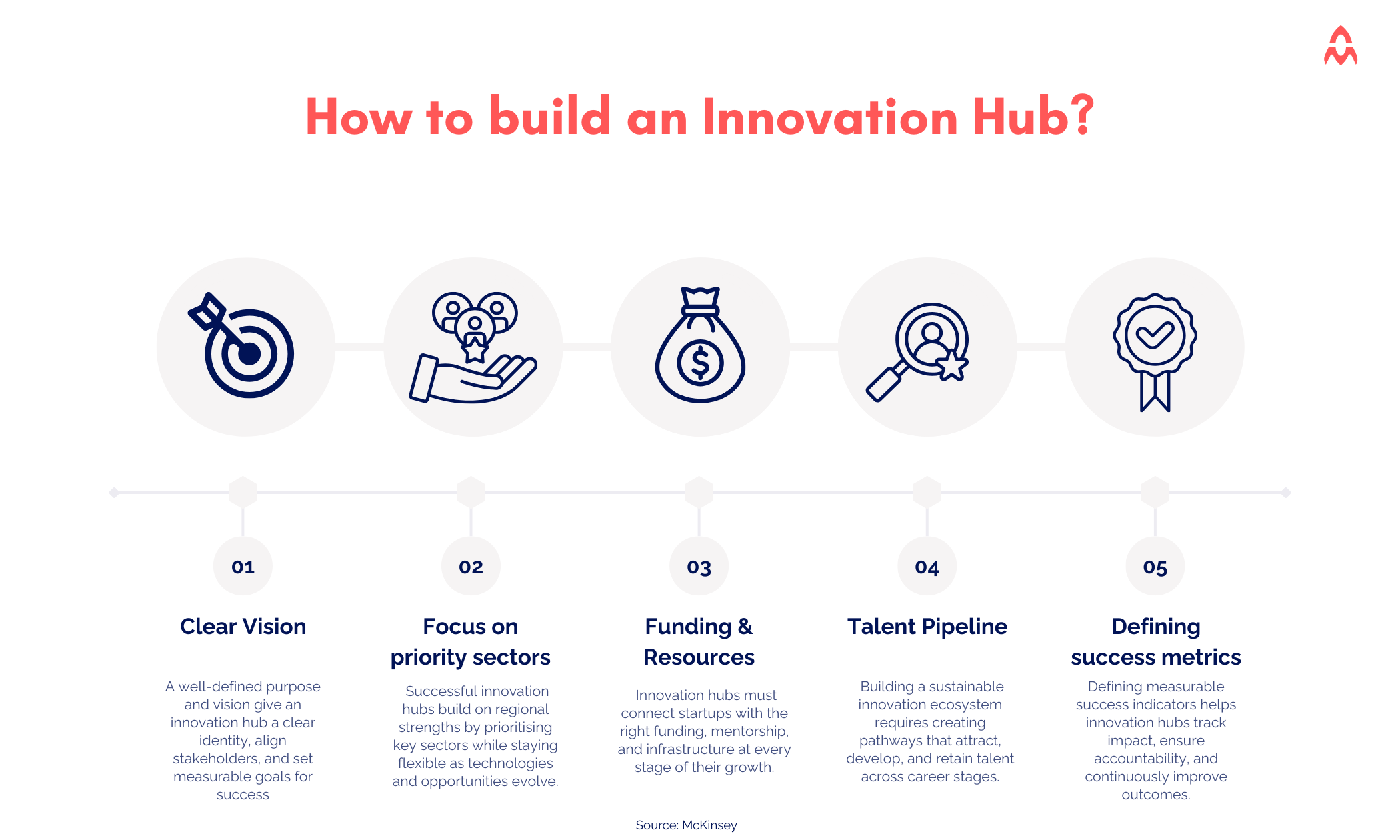
Deloitte's five patterns distill to one executive important: redesign systems, then scale effective practices. Production AI prospers when it is moneyed and governed like a company change.
The delta between pilots and value depends on architecture and governance. Usage Deloitte's adoption numbers as a forcing function to pressure-test preparedness across technique, combination pathways, information discoverability, and controls. Screen cost per action as a crucial metric and guarantee infrastructure choices directly support wanted company margins. Make the discussion of inference costs a core program item at executive and board conferences.

Latest Posts
Optimizing ROI via Smart Digital Hubs
Key Technical Tips for Effective Hub Management
Mastering Next-Gen Technology Innovation Cycles in 2026